Then it happens again.
And again.
Each time, it lands a little differently — cut to a beat, overlaid with graphics, looped to keep you watching.
It's brainrot meets war content.
But these aren’t videos coming from meme pages or anonymous accounts. They’re posted by the White House.
They are part of the 12 recent posts that mark the first time a White House account packaged real combat footage as internet entertainment.
This didn’t emerge in isolation. It sits at the far end of a broader shift, where official messaging is routinely recut using the language of the internet.
HOW THE WHITE HOUSE
HIT PEAK MEME
Inside the White House TikTok account's unprecedented embrace of meme culture, told through its first 600 posts.
April 12, 2026
The White House posted its 600th TikTok on April 1. To quantify the memetic shift, I collected all 600 posts, scored each one by how aggressively it was packaged, and tagged them according to themes that stood out.
One thing was immediately obvious: at every level, the algorithm rewarded the escalation, in views.
So what did that escalation look like? It played out across three fronts: imagery, tone, and language. Let me walk you through each one...
...starting with how the account first handled military footage.
These techniques did not appear overnight. Before the war, the account had already been compositing fictional elements onto real footage, testing the format on policy and opponents.
There was a parallel escalation in tone. Across 84 posts, the account engineered content for maximum provocation, with the punchlines getting darker and the fabrication getting bolder.
The language escalated too. Across 35 posts, the account pushed profanity from coded acronyms to uncensored speech.
TikTok says its Restricted Mode filters out "realistic violence," "firearms in an inappropriate environment," and "explicit references to real-world events intended for older audiences."
Out of 600 posts, TikTok blocked five from viewers who hadn't verified their age. These posts include ones that contained profanity, showed a person being struck, and depicted U.S. military strike footage.
The 12 posts that repackaged real airstrike footage as internet entertainment — using video game overlays, sports animations, and meme formats — were not blocked.
Children could see every one of them.
The filters missed the escalation. But then, so did we. The White House pushed, TikTok amplified, and the audience followed.
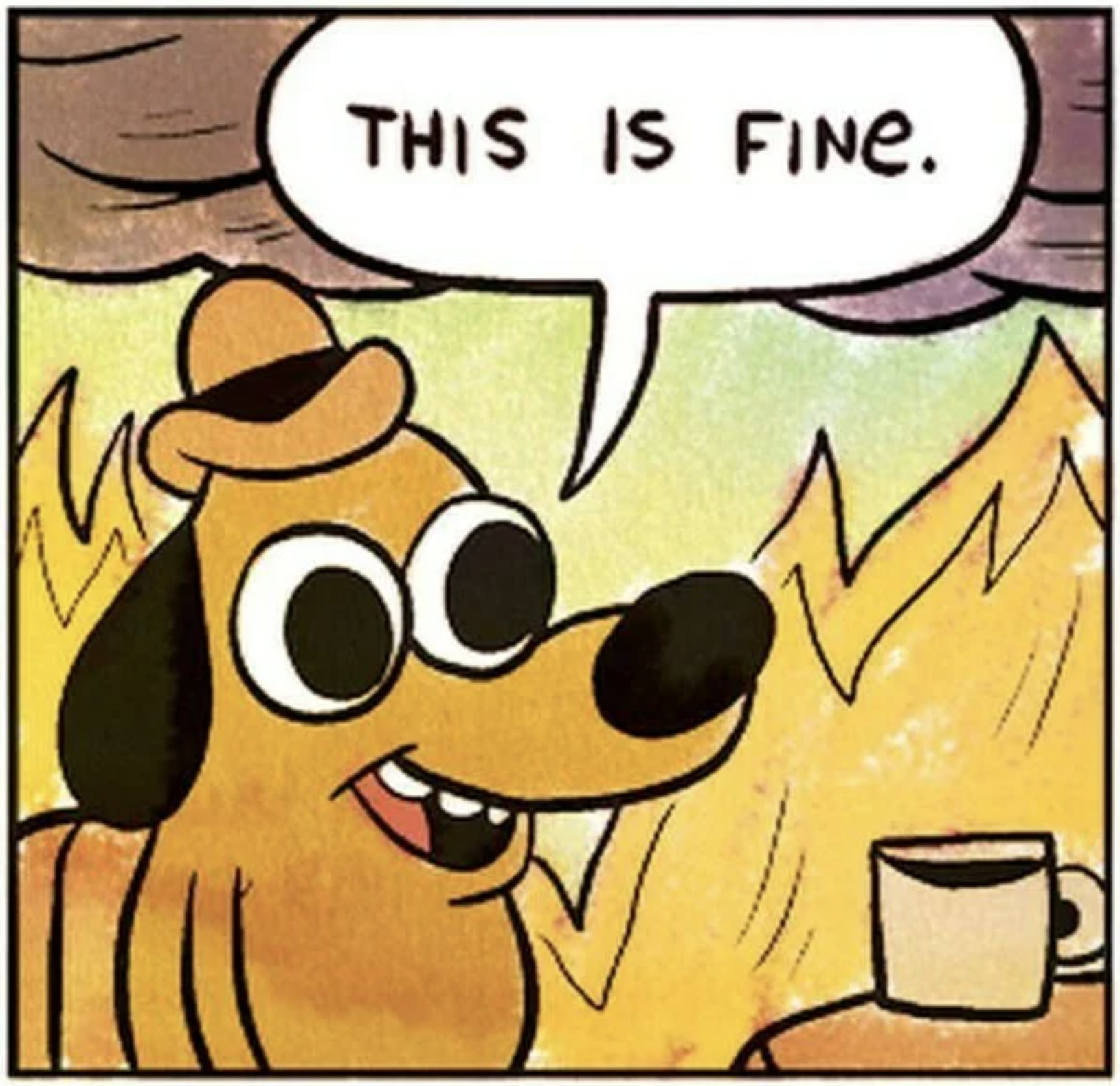
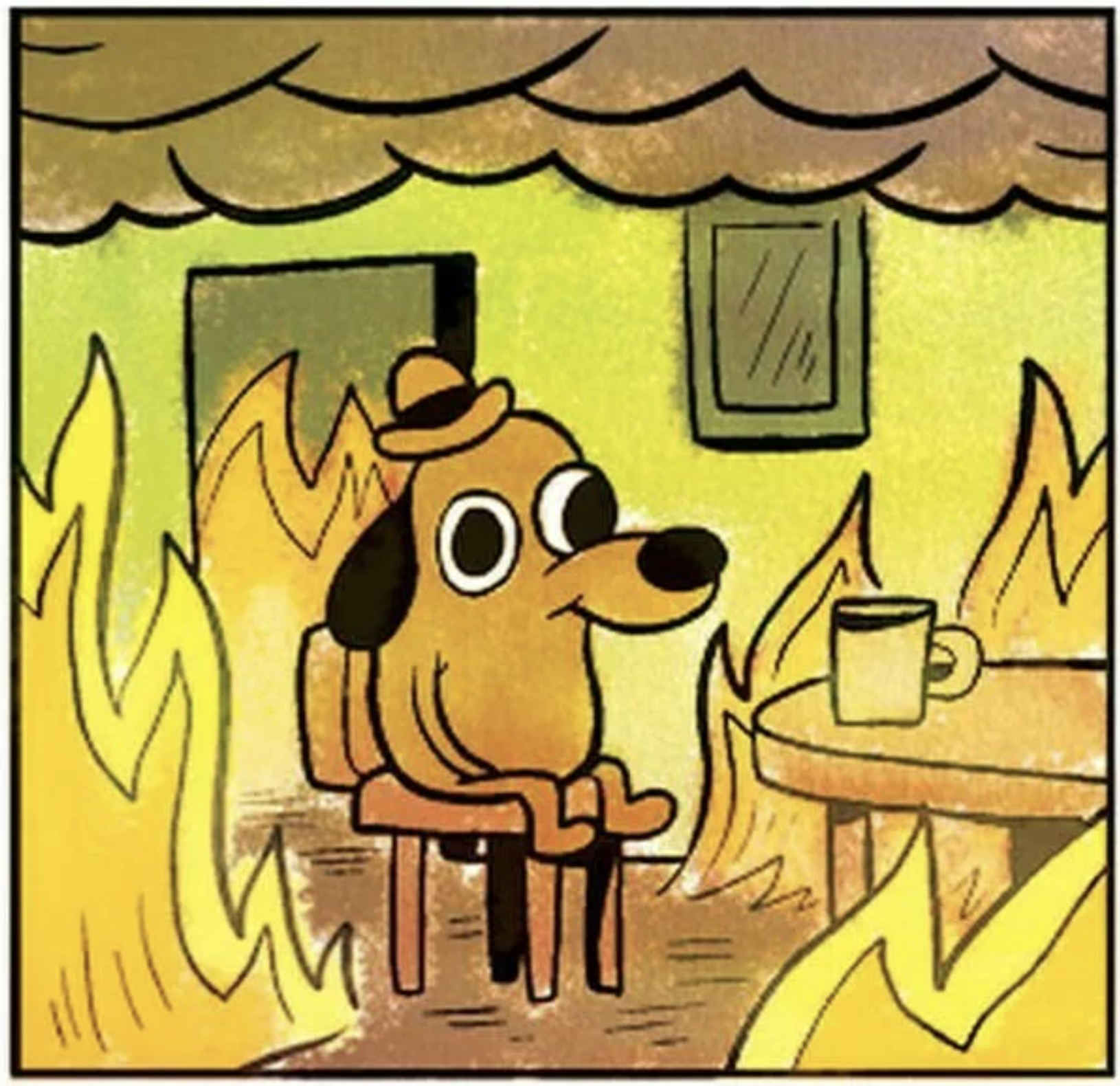
The dog never left the room.
And we just kept scrolling.